Mastering proximity sensor test improves efficiency in automated control systems
Mastering proximity sensor test plays a vital role in enhancing the performance of automated control systems. In modern automation environments, proximity sensors are widely used to detect object presence, measure distance, and ensure seamless machine coordination. Proper testing of these sensors ensures accuracy, reduces downtime, and improves overall operational efficiency. As industries increasingly rely on automated processes, understanding how to test and validate proximity sensors becomes essential for maintaining consistent system reliability and productivity. Proper testing also supports predictive maintenance strategies and helps engineers maintain consistent performance across diverse automation setups in industrial environments.
Importance of Proximity Sensor Testing in Automation
Proximity sensor testing ensures that automated control systems function with high precision and minimal error rates. These sensors are critical in detecting objects without physical contact, making them essential in fast-paced industrial environments. Regular testing helps identify signal inconsistencies, calibration issues, or environmental interference. By maintaining sensor accuracy, industries can achieve smoother workflows, reduce machine stoppages, and enhance safety standards across operations. This proactive approach minimizes operational risks and ensures that automated systems respond accurately even in changing environmental conditions and high-speed production lines. Engineers conduct proximity sensor test for reliable automation systems.
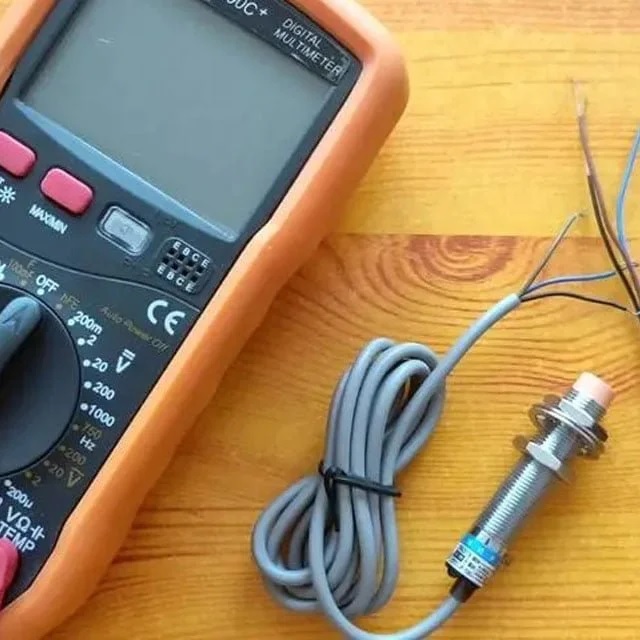
Key Steps to Test Proximity Sensors Effectively
Testing proximity sensors involves a structured approach that ensures reliable output and consistent signal performance in automated control systems.
- Visual inspection of sensor housing and wiring for physical damage or loose connections.
- Verification of power supply stability to ensure correct sensor operation under load.
- Testing output signals using diagnostic tools to confirm accurate detection response.
- Calibration adjustments to maintain proper sensing range and alignment accuracy.
- Environmental checks for dust, moisture, or interference affecting sensor performance.
- Continuous monitoring during operation to detect early signs of sensor degradation or drift.
Benefits of Mastering Proximity Sensor Testing
Mastering proximity sensor testing significantly enhances the efficiency of automated control systems. It improves detection accuracy, reduces unexpected system failures, and ensures smoother operational cycles. Well-tested sensors contribute to better machine coordination and lower maintenance requirements. This leads to improved productivity, reduced downtime, and enhanced system reliability in demanding industrial applications. Advanced testing practices also support energy efficiency by ensuring sensors activate only when necessary, contributing to optimized resource utilization in automated environments. Properly executed testing routines also reduce troubleshooting time, allowing maintenance teams to focus on optimization rather than repetitive fault correction.
Best Practices for Reliable Sensor Performance
To ensure long-term reliability, regular maintenance and systematic testing schedules are essential. Technicians should document test results, monitor environmental conditions, and perform periodic recalibration. Implementing structured testing routines helps prevent unexpected failures and maintains consistent automation performance across systems. Adopting standardized testing protocols further enhances scalability and ensures consistent results across different industrial applications.
Conclusion
Proximity sensor testing is a key factor in optimizing automated control system efficiency. With proper testing methods and regular validation, industries can achieve higher accuracy, improved safety, and consistent operational excellence. Mastering this process ensures that automation systems continue to perform reliably in dynamic environments. This strengthens overall system resilience and supports continuous improvement in automated technologies across various sectors.