Comprehensive Brownfield Remediation Encourages Valuable Property Redevelopment Opportunities
Previously developed properties offer valuable opportunities for future growth, investment, and community improvement. With appropriate environmental assessment and professional remediation, these sites can become productive spaces for residential, commercial, industrial, and recreational development. Comprehensive brownfield remediation helps address environmental considerations, improve land conditions, and prepare properties for beneficial reuse. Through careful planning, advanced treatment methods, and responsible construction practices, redevelopment projects can create lasting economic and environmental value.
Environmental Assessments Support Successful Redevelopment
Understanding existing property conditions is an important part of successful brownfield redevelopment. Professional environmental assessments provide useful information about soil, groundwater, and other site characteristics, helping development teams establish suitable remediation objectives and make informed decisions.
- Soil investigations: Evaluate soil conditions and identify areas requiring environmental attention.
- Groundwater assessments: Examine underground water conditions and relevant environmental considerations.
- Site evaluations: Review property characteristics to determine appropriate redevelopment requirements.
- Contamination analysis: Identify and evaluate substances that may require specialized treatment.
- Technical reporting: Provide valuable information for remediation planning and project coordination.
Specialized Remediation Restores Property Potential
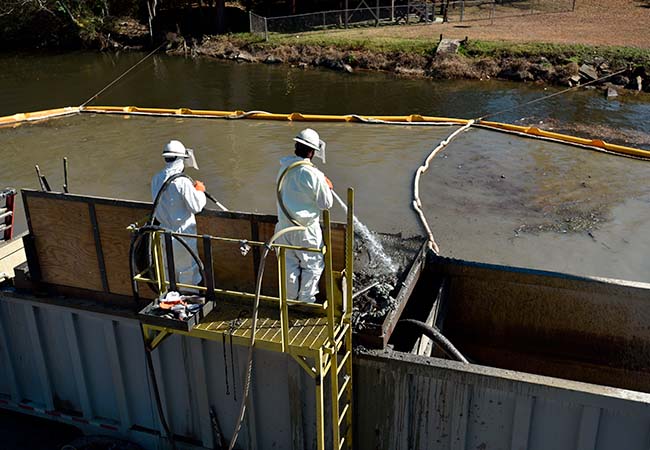
Professional remediation services help improve environmental site conditions through carefully selected treatment approaches. Appropriate solutions are designed around assessment findings, property characteristics, and intended future uses, supporting productive redevelopment opportunities.
- Soil treatment: Addresses identified soil conditions through suitable remediation methods.
- Groundwater remediation: Supports improved groundwater quality through appropriate treatment technologies.
- Excavation and removal: Helps manage affected materials through controlled handling practices.
- Bioremediation: Uses biological processes to support the treatment of suitable contaminants.
- Vapor mitigation: Introduces protective systems that help manage potential soil gas intrusion.
Professional Planning Encourages Efficient Project Development
Successful brownfield redevelopment benefits from coordinated planning and experienced environmental professionals. Their technical knowledge helps connect remediation objectives with construction requirements, ensuring that environmental considerations remain integrated throughout project activities.
- Establish clear environmental objectives based on assessment findings.
- Select suitable treatment methods according to site-specific requirements.
- Coordinate remediation activities with construction schedules.
- Maintain detailed records of environmental activities and findings.
- Conduct appropriate evaluations to confirm remediation progress.
Sustainable Practices Create Long-Term Environmental Value
Responsible remediation contributes to better land management while encouraging the productive reuse of previously developed properties. Reusing existing sites can also support efficient land utilization and reduce pressure to develop previously undeveloped areas.
- Encourage productive reuse of underutilized properties.
- Support responsible management of soil and groundwater resources.
- Promote appropriate waste handling and material recovery.
- Incorporate environmentally conscious construction practices.
- Encourage long-term monitoring and responsible property management.
Redevelopment Creates New Economic Opportunities
Successfully remediated properties can support a wide range of future development possibilities. Improved site conditions create opportunities for investment, business expansion, community facilities, and other productive uses that contribute to local economic activity.
Interested property owners and development professionals can visit website resources to explore suitable environmental remediation approaches and understand available redevelopment solutions.
Building A Productive Future Through Brownfield Remediation
Comprehensive brownfield remediation transforms environmental challenges into opportunities for responsible property improvement. By combining accurate assessments, specialized treatment, professional planning, and sustainable practices, redevelopment projects can achieve valuable long-term outcomes. These efforts support healthier environments, productive land utilization, increased property potential, and stronger foundations for future development.